Gas Line Repair & Inspection in Bayside, Queens
Precision natural gas piping diagnostics, electronic leak detection, DOB pressure testing, appliance hookups, and NYC Local Law 152 periodic inspections for homeowners and building owners throughout Bayside, Queens.
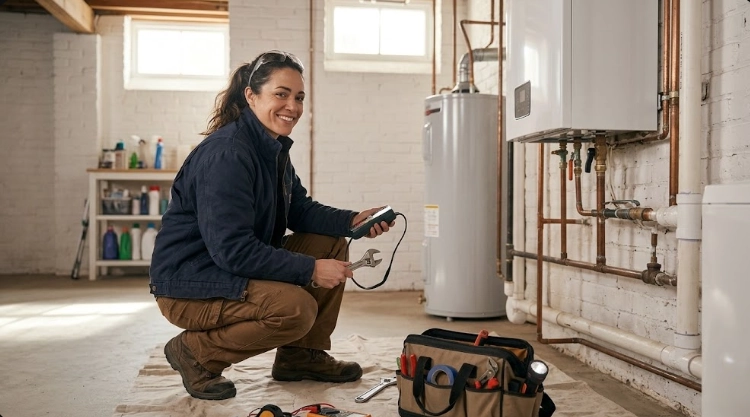
Residential Gas Piping Systems in Bayside, Queens
Safeguarding black steel gas distribution networks across classic residential architecture.
Natural gas powers essential residential comfort systems across Bayside, from large steam and hydronic heating boilers in classic Tudors near Bell Boulevard to domestic hot water heaters, kitchen ranges, and clothes dryers. Because natural gas is distributed under pressure through black steel or wrought-iron piping, any physical damage, joint deterioration, or mechanical strain represents a serious safety hazard requiring immediate, code-compliant intervention.
When homeowners require gas line repair Bayside Queens, work must be conducted in strict compliance with New York City Department of Buildings (DOB) regulations and Fuel Gas Code requirements. Whether troubleshooting minor valve leaks, responding to a utility yellow-tag lockout, replacing aged basement piping headers, or completing routine safety evaluations, professional diagnostics ensure all components operate safely and reliably.
Licensed NYC Plumbing Work Required
Under NYC Administrative Code, all natural gas piping alterations, repairs, and meter reconnects must be performed by or under the direct supervision of an authorized Licensed Master Plumber (LMP) who holds the appropriate DOB gas qualification endorsements.
- Permits filed directly with NYC DOB
- Calibrated digital manometer testing
- Utility coordination with National Grid
Common Causes of Gas Piping Failures
In established residential neighborhoods like Bayside Hills and Douglaston, natural gas distribution lines often operate in damp basement environments alongside boilers and foundations. Over decades, several vulnerability factors can compromise piping integrity:
- Atmospheric Basement Corrosion: Moisture, damp crawl spaces, or prior water seepage can cause external oxidation and rust scaling on black iron gas pipes, thinning pipe walls at joints.
- Structural Settling & Pipe Strain: Foundation shifting over time places mechanical shear or bending forces on rigid threaded pipe fittings, cracking dried pipe dope sealant.
- Aged Shut-Off Valves: Outdated brass gas cocks or dry plug valves can dry out, seize, or develop slow weep leaks around stem packings when turned.
- Damaged Flexible Connectors: Corrugated stainless steel or brass flexible lines connecting stoves, dryers, or boilers can suffer mechanical fatigue or corrosion if kinked.
Diagnostic Procedures & Pressure Testing
Pinpointing gas piping anomalies requires specialized instrumentation and formal testing methodologies rather than guesswork:
- Electronic Combustible Gas Sniffing: Handheld calibrated sensors detect microscopic concentrations of methane along exposed pipe threads, joints, unions, and regulator vents.
- Micro-Leak Bubble Testing: Non-corrosive foaming solution applied directly to suspected fittings provides physical visual confirmation of escaping gas bubbles.
- Calibrated Digital Manometer Testing: When evaluating isolated piping segments or clearing utility violations, technicians isolate the system and pressurize it to code standards (3 to 5 PSIG) to verify zero pressure loss over time.
- Combustion Air & Draft Verification: Inspecting flue collars, barometric dampers, and boiler draft hoods to confirm gas combustion byproducts exhaust safely.
Appliance Hookups, Gas Line Additions & Upgrades
Proper sizing and code-compliant supply lines for modern residential gas equipment.
Kitchen Range & Stove Lines
Planning a kitchen renovation? Dedicated gas line installation for stove Bayside Queens involves correct branch sizing from your main gas header, installing approved brass quarter-turn ball valves, and securing heavy-duty flexible appliance connectors compliant with NYC DOB code.
Boiler & Water Heater Feeds
When completing a boiler replacement or installing a high-recovery water heater, existing half-inch branch piping may be inadequate. We evaluate gas manifold capacity, gas meter flow limits, and install properly sized black iron supply lines.
Gas Meter Header Repiping
Properties with multiple gas meters or older manifold assemblies often suffer from crowded, rusting pipe runs. Upgrading basement headers with schedule 40 black steel pipe and modern shut-offs ensures clean, organized fuel distribution with dedicated appliance isolation.
NYC Local Law 152 & Gas Piping Inspections
Understanding periodic inspection mandates and residential property guidelines across Queens.
What Properties Are Covered?
Local Law 152 requires periodic inspections of exposed gas piping once every four years for covered buildings. This requirement applies to multi-family residential buildings classified as Occupancy Group R-2 (such as apartment complexes, residential cooperatives, and condominiums) as well as commercial buildings.
Single-Family & Two-Family Exemption: Detached, semi-detached, and attached single-family and two-family private residences classified under Occupancy Group R-3 are generally exempt from mandatory periodic LL152 filing cycles. However, all residential gas piping alterations, repairs, and meter reconnects in one- and two-family homes must still strictly comply with all NYC Construction Codes and Fuel Gas Code standards.
The Inspection & Certification Process
When a covered property requires a gas piping inspection Bayside Queens, inspections must be conducted by or under the direct supervision of an authorized Licensed Master Plumber (LMP):
- Exposed Piping Visual Review: Checking public hallways, basements, boiler rooms, and mechanical spaces for illegal connections, rust corrosion, or structural compromise.
- Gas Detector Sniffing: Verifying that all joints, valves, regulators, and meters show zero combustible gas concentration.
- GPS1 Inspection Certification: The LMP issues an official DOB GPS1 inspection report within 30 days detailing whether any conditions require corrective action.
- Safe Correction Protocols: If non-emergency corrective repairs are noted, owners have a 120-day compliance window to secure permits, complete certified repairs, and submit the final GPS2 certification to the NYC DOB.
Frequently Asked Questions About Gas Line Repair in Bayside
Clear answers regarding gas leaks, inspection mandates, and NYC safety protocols.
What should I do immediately if I smell natural gas in my home?
If you smell natural gas (a pungent rotten-egg odor), do not flip any light switches, touch appliances, or light matches. Evacuate all occupants and pets from the building immediately. Once at a safe distance away from the property, call National Grid at 1-800-642-4272 or dial 911 immediately. Never stay inside to locate or troubleshoot a gas leak yourself.
What is involved in NYC Local Law 152 gas piping inspections?
NYC Local Law 152 mandates periodic gas piping system inspections once every four years for covered buildings (predominantly R-2 multi-family residential buildings and commercial properties). Single-family and two-family homes classified as R-3 are generally exempt from mandatory periodic filing, but all residential gas systems must still adhere strictly to NYC Fuel Gas Code safety standards whenever alterations or repairs occur.
Can a homeowner install or repair their own gas piping in New York City?
No. Under New York City Department of Buildings regulations, all natural gas piping work, alterations, repairs, and meter reconnects must be performed by or under the direct supervision of an authorized Licensed Master Plumber (LMP) who holds the appropriate DOB gas qualification endorsements.
How is a gas line pressure test conducted after a repair?
After gas piping repairs or alterations, the gas supply is shut off and all appliance valves are isolated. Technicians connect a calibrated digital manometer or test gauge, pressurize the isolated piping circuit with air or inert gas to the code-required pressure (typically 3 to 5 PSIG for standard low-pressure residential piping), and verify that the system holds stable pressure over the mandatory testing interval without any drop.